Dry ice blasting
Dry ice blasting is the latest technology being used for restoration and cleaning. This state of the art process is similar to sand recycled glass or soda blasting, except that it uses soft ice, making it a non-abrasive cleaning process.
what is dry ice?
Dry ice is the frozen form of carbon dioxide which appears to be a cold, dense and a white mist. It has a very low temperature of -109.3°F or -78.5°C. Dry ice is called so because it does not melt when heated – it directly transforms from solid state to gaseous state.
Since dry ice has a very low temperature, the difference in temperature between dry ice and the surface it impacts results in a thermal shock which causes bonds to break between two dissimilar materials.

Historical cleaning
Cleaning of your delicate materials with an aggressive process but a non abrasive blasting and cleaning method. ie. Aluminum, Stain and steel, Engine blocks, Stair railing,
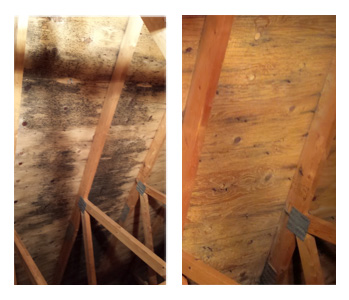
Mould Remediation & Clean Up
Dry ice blasting replaces the manual sanding and scraping process for the remediation and kills and disinfects upon contact.

Fire Restoration
A fire can cause soot and smoke damage to metal, brick and concrete and charring to wood. This type of damage is unsightly and holds odour. Traditionally, the removal method has been sanding, scraping and wire brushing.
Dry ice blasting has become the preferred method to remove smoke soot, vaporized synthetic resins and char. It has even been known to reduce or eliminate the musty burnt smell that results from fire, smoke and water damage.

Stone & Brick Restoration
From tree sap or water front properties that accumulate algae to paint removal.
Dry Ice blasting can work on many different materials. To help rejuvenate and restore all your valuable belonging.
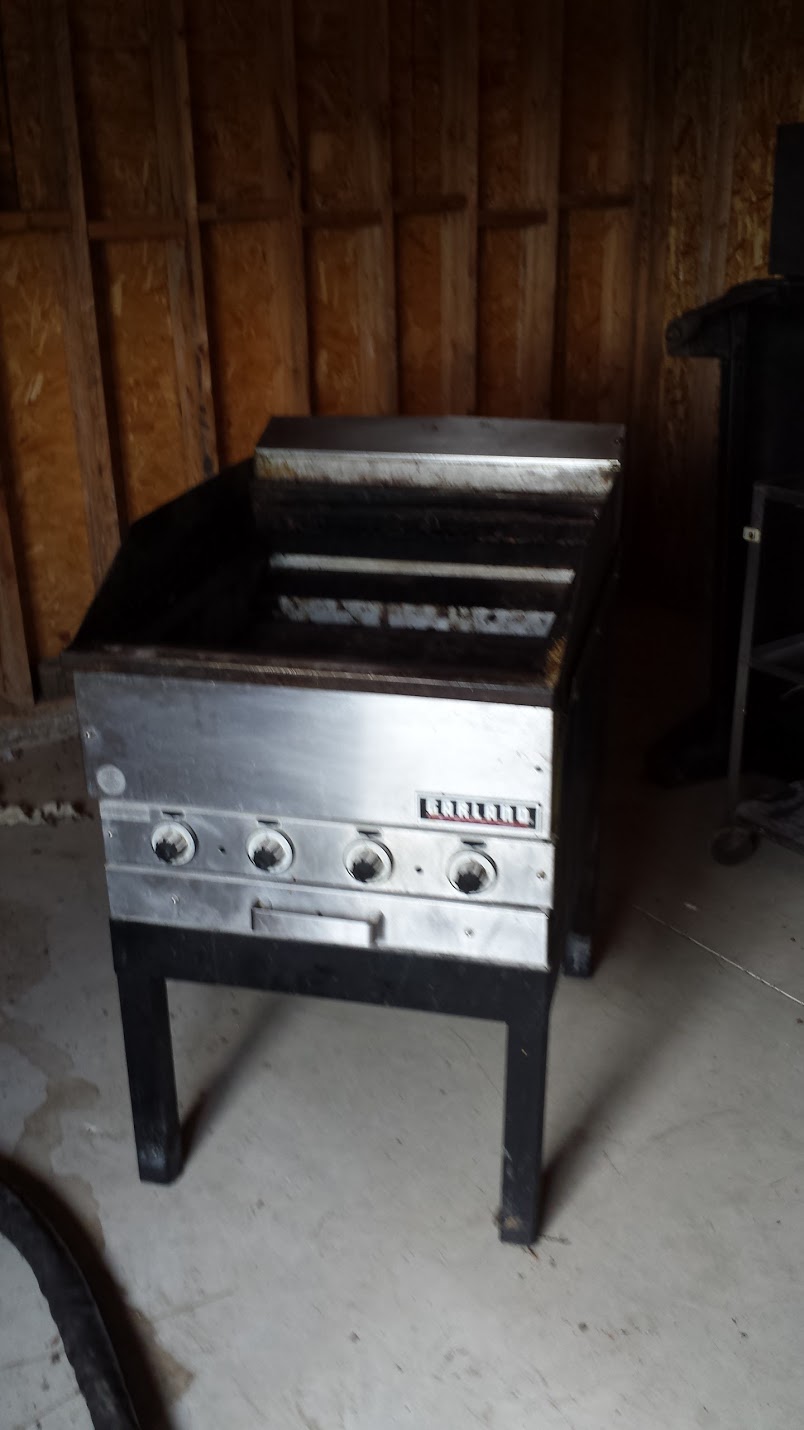
Contract Cleaning
Equipment and facilities get dirty with grease, wax, proteins, seasonings, crumbs, carbon residue, glue, ink and other build-up, preventing equipment from operating at peak efficiency and shortening asset life.
Traditional cleaning methods can be time-consuming, ineffective and can involve significant amounts of chemicals or water, resulting in residues, moisture build-up/mould and secondary waste.
Dry ice cleaning can clean food processing equipment without the need for scrubbing, water clean-up or the use of harmful chemicals that could contaminate food.